
Spoiler warning.
All the Colors of the Dark was one of those reading experiences I can best describe as inconsistent. This novel starts out pretty strong and I was instantly sold on Patch and Saint as characters, both individually and as a duo. Chris Whitaker sets the scene really well here and the book is at its absolute best in those early chapters detailing Patch’s incarceration in Eli Aaron’s dungeon with Grace, and Saint’s incredibly brave efforts to save her friend.
Very quickly, however, this novel shifts its focus from its mystery elements towards much more of a character exploration in which we see the ripple effects survivor’s guilt and devotion have on both Patch and Saint. There’s nothing bad about this, but the story definitely loses focus in the middle and the plot conveniences and contrivances go a bit too far. For a six-hundred page novel (more on that later) there is a puzzling lack of detail and clarity at several key moments. Instead, Whitaker skips over key events and decisions and just assumes the reader can pick up on the context clues and doesn’t question the characters’ decisions too much. The best example of this is when Patch decides to murder Jimmy after passing out at the zoo. The circumstances are random, the motive is unconvincing, and the way the act of murder is glossed over between chapters had me re-reading to make sure it actually happened and that I wasn’t missing something. Without getting too in depth, I can certainly appreciate the role side plots like Patch’s bank robbing spree, Sammy, and Charlotte had on the story, but I really did not find them necessary.
In regards to the mystery itself and major plot twists, I was really disappointed that I was able to guess about 90% of them fairly early on. The constant references to pregnancy, abortion, and the passage of Roe v. Wade made it easy to guess that Dr. Tooms was performing illegal abortions. I called it as soon as Saint saw him emerging from his house with bloody hands. As a side note, it really made no sense to me that Tooms allowed himself to be wrongly prosecuted, convicted of murder, and condemned to death row without defending himself all because he wanted to keep secrets for a dead girl and his clandestine lover. I also detected early on that police chief Nix’s sexuality would come into play at some point. And yes, it was very clear to anyone paying attention that this book would end with Patch living out his days on a beach somewhere. I think the only plot point that genuinely surprised me was the revelation that Saint actually did not have an abortion and instead secretly put her baby up for adoption to shelter the child from Jimmy’s abuse.
I imagine Whitaker had a lot he wanted to say thematically and politically in this novel, but I honestly never felt much of a need to think too deeply about it. He certainly doesn’t appear to think too highly of rural churchgoing America, and the proprieties of traditional family life, but I was far less interested in those elements of the novel than the really wonderful main characters and the far more compelling search for Grace. As far as imagery goes, I really loved the role art, paintings, and colors played in this novel. In particular, the paintings of the white house and Grace Number One are Chekov’s gun par excellence.
Whitaker’s writing is pretty good on the whole, even though I often felt like he was skimming over the details and the texture just to get to the next plot point. It is pretty egregious that there are 261 chapters in this 592 page novel. There is so much blank space here that this book could easily have been condensed into a tight 400 pages with longer chapters that engage the reader for more prolonged periods of time. There is no stylistic reason for the choppiness of this book’s presentation; the chapter breaks don’t even necessarily signal a change in character point-of-view. Instead, this just comes across as a novel catering to what a cynical publisher may think a reader’s attention span is in the age of short-form content. It definitely helps keep this book a page turned, if nothing else.
Overall, I enjoyed reading this book and I appreciated most of what Whitaker created here, even if I didn’t love most of it. Patch and Saint are fantastic, and their story is really wonderful, even if the mystery plot and some of the detours along the way underwhelming and obvious. This is worth a read if you’re in the mood for something pretty light and entertaining, but I doubt this story will stick with me for very long.
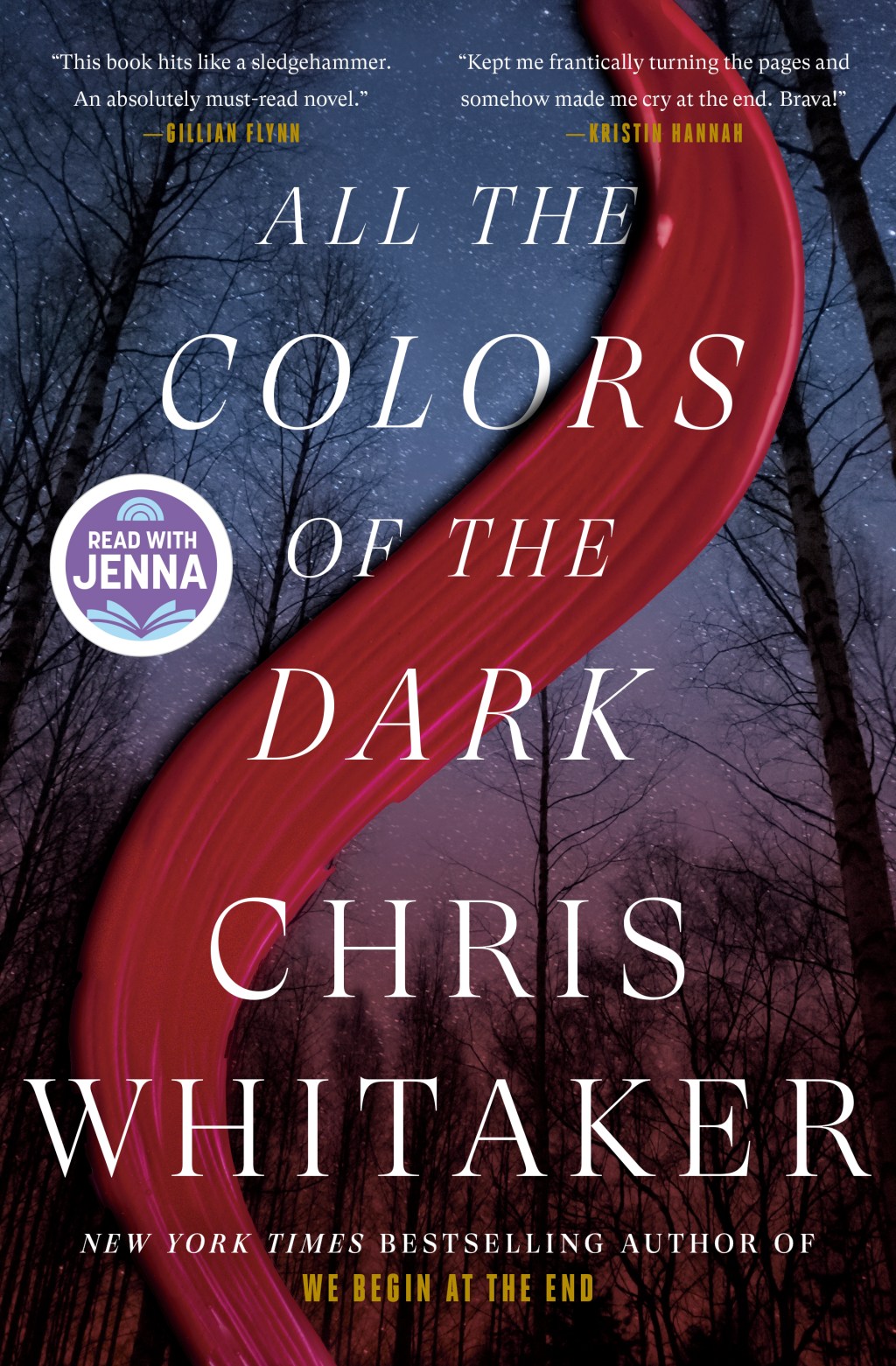
All the Colors of the Dark, Chris Whitaker
 The Once and Future Lit