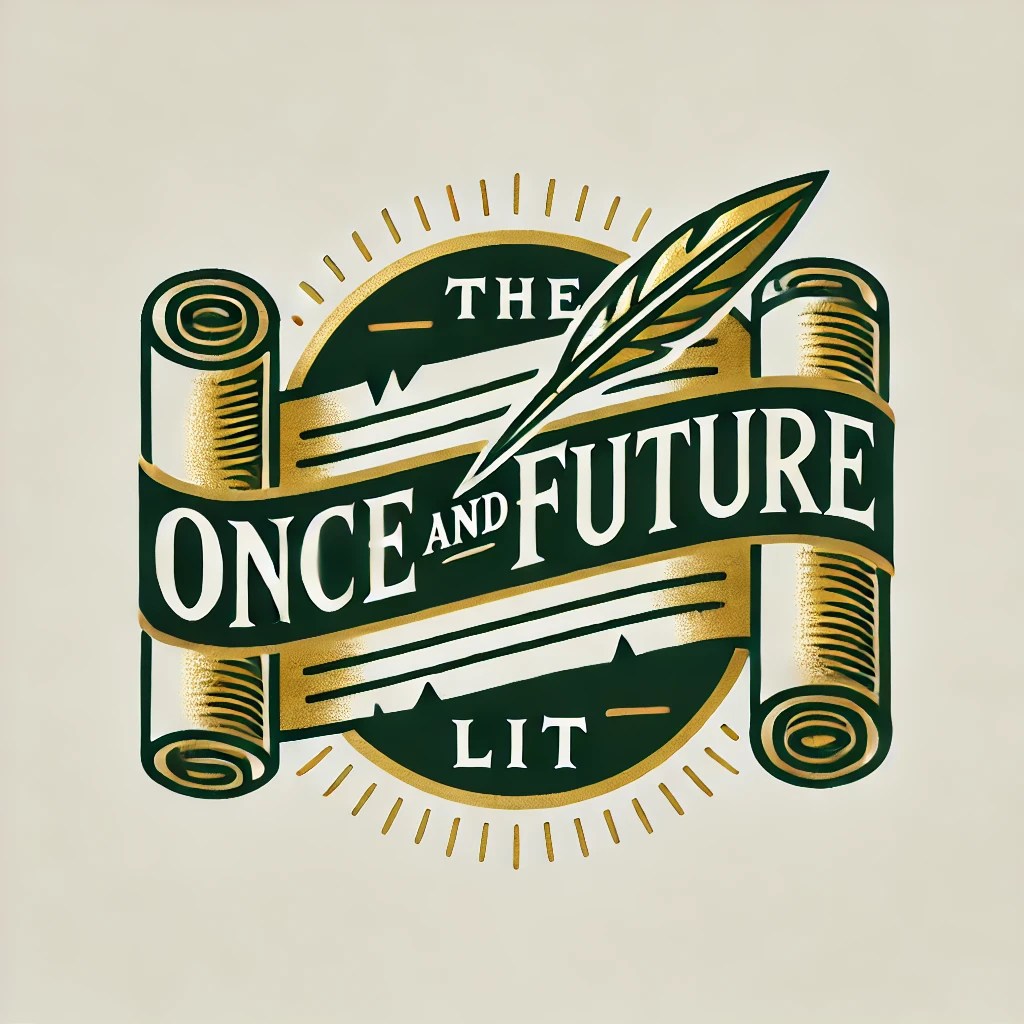
Like any great dystopian novel should, Jose Saramago’s Blindness is a horrifying exploration of human nature and the extent to which ordinary people and authorities alike will go to save themselves and maintain even the tiniest sliver of dignity and control.
The novel begins with an ordinary man carrying out the ordinary action of driving his car on an ordinary day. That is, until he is struck by an affliction that instantly leaves him with a novel white blindness. The mysterious blindness quickly spreads from this first man to his wife, a man who stole his car, his eye doctor, and the doctor’s other patients, before gradually claiming the entire city’s population. The main cast of characters in Blindness are among the first to be quarantined in an old asylum. In this secure facility, the government provides the blind and the contaminated basic lodging, food, and necessities. But as the blindness spreads and the quarantined population grows, order breaks down and the some of the blind themselves resort to theft, violence, abuse, and hooliganism as they wrestle for diminishing resources.
Fortunately for the main cast of characters, they are accompanied throughout this peril by the eye doctor’s wife, who has a secret: she can still see. Using her gift of eyesight, she quickly becomes the main protagonist and takes on the burdens and responsibilities of seeing all that the others cannot while still suffering the fear, hunger, abuse, and isolation of her peers.
For roughly two thirds of Blindness, the story unfolds within the walls of the asylum. The wards become more crowded, the food diminishes, the waste, corpses, and excrement pile up, the external authorities become more oppressive, and the ruffians within the facility become more barbaric. This is where Saramago’s novel is strongest. The sense of claustrophobia is suffocating, and the unfiltered descriptions of human waste, death, and sexual violence are truly disgusting. Saramago’s novel has been praised as an allegory of the horrors of the twentieth century, and I certainly could not read it without thinking about the Holocaust and the Stanford Prison Experiment.
The final third of the book takes place in the city at large once the entire population has been afflicted with Blindness. This section was fine, but I found it much less thought-provoking and tense than what came before. Unlike Cormac McCarthy’s The Road which is anchored by a deep and emotional relationship between the lead characters, Saramago’s dystopia is most interesting when the reader feels the immediacy of the threats and the proximity to horror, and nothing in the outside world comes even remotely close to what happens in the asylum.
Maybe the biggest drawback of this novel is Saramago’s decision to dump his prose into massive blocks of text with minimal punctuation. At times, paragraphs go on for multiple pages, and none of the dialogue uses quotation marks. This should not be a deal breaker, but it takes a while to get used to and makes this otherwise well-paced novel a much more taxing read than it should be.
Blindness is not the kind of novel that answers every question, and if you want answers as to why any of this is happening, you will leave unsatisfied. But ultimately, Saramago is more concerned with what individuals and collectives alike do when faced with fear itself. Blindness does not depict the most favorable view of humanity writ large, but Saramago makes a point to show us that even at the worst of times, some people persist in their goodness, their selflessness, and in their capacity for hope.
 The Once and Future Lit