7.5/10.
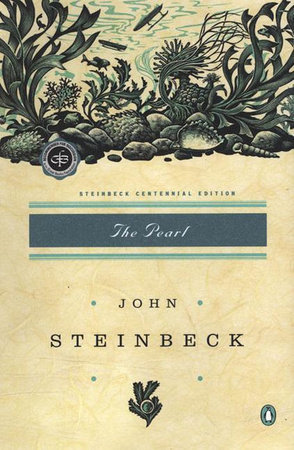
The Pearl is John Steinbeck’s retelling of a traditional Mexican parable about the corrupting influence of wealth. The novella explores the timeless theme of how good fortune can carry the promise of happiness as easily as it can bring misery. The story follows Kino, an impoverished pearl diver, his wife Juana, and their infant son, Coyotito. In one stroke of luck, Kino discovers the “greatest pearl in the world,” which transforms his family’s future from the desperation of poverty to the dazzling promise of wealth and comfort. Yet this newfound treasure also attracts greed, dishonesty, and corruption. Kino’s priorities shift, his desires twist inward, and he becomes consumed by vices—possessiveness, distrust, and violence.
It’s a tale as old as time: the innocent hero undone by an object of desire. Icarus flew too close to the sun; the One Ring corrupted all who bore it. Steinbeck’s parable stands firmly in this tradition, delivering a story that is simple in its telling yet enduring in its importance. As a reading experience, The Pearl serves as a good introduction to Steinbeck’s work. That said, I didn’t find myself as emotionally invested in the characters as I was when reading Hemingway’s The Old Man and the Sea. so the tragic ending felt less impactful for me.
Still, The Pearl remains a thought-provoking read. Paired with The Old Man and the Sea, the two works would make for a fascinating lecture or group discussion on human desire and ambition in the face of adversity.
 The Once and Future Lit