
The Phantom of the Opera is a necessary read for all lovers of gothic literature. In one short novel, Gaston Leroux delivers an atmospheric, haunting, and romantic story steeped in history and a deep understanding of human understanding of the human need to belong and feel loved. I grew up with the iconic musical adaptation, so it was a lot of fun to finally read the original source material, gain a deeper understanding for the main characters’ backstories, and explore the ways in which it differs from its famous adaptation.
From the outset, I was struck by Leroux’s narrative style. Framing the novel as a reconstruction of true events based on letters and testimonies, it echoes the epistolary form of Bram Stoker’s Dracula. His attention to detail in describing the Paris Opera House, the Phantom’s subterranean lair, and its maze of trapdoors and hidden passageways vividly brings the setting to life. The Phantom’s sparing appearances early in the novel, conveyed through clever notes and chilling descriptions, make him genuinely unsettling. Among the highlights are the chapters exploring Christine’s relationship with her father and the “Angel of Music,” her childhood bond with Raoul, and Erik’s adventures in faraway places such as Persia and Constantinople.
My biggest critique of this book is the pacing. The book is uneven in the space it gives to its characters and to major plot points. Rather than sprinkling character reveals throughout the novel, Leroux tends to serve the reader everything there is to know about a character or particular plot point all at once and then move on completely. The history and development of Christine and Raoul’s relationship is mostly confined to a couple consecutive early chapters. The middle of the novel is padded with some silly chapters devoted to the the opera managers quarrelling over whether or not the Phantom was pickpocketing them. The Persian, a character who has a long history with the Phantom and whose participation is critical to the story’s ending is largely absent for most of the book, before showing up exactly when the plot needs him.
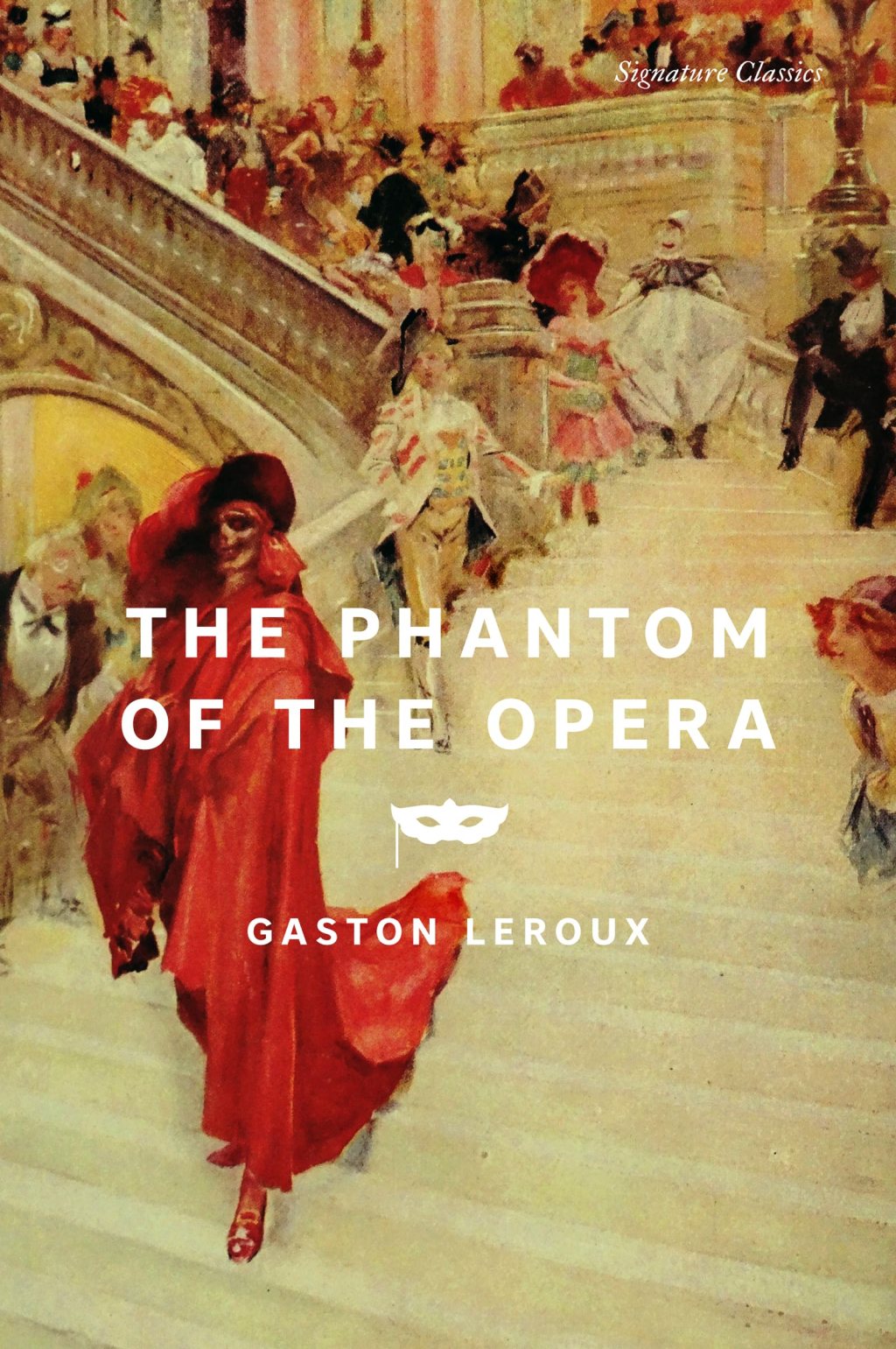
Overall, The Phantom of the Opera is an enjoyable read, and with a little extra polish it could have been really incredible. Like its stage adaptation, the plot is a bit thin if you overthink it and the characters are very melodramatic. But at its core, this is a true gem of a classic. Scenes like the graveyard scene and the masquerade ball are truly spooky and cinematic. The Phantom’s story is a tragedy with a powerful moral message about belonging and whether monsters are born or made. And speaking of the phantom, Leroux’s Phantom is far more witty, resourceful, and creative than his stage iteration, and is convincing as both a magician and a scientist.
 The Once and Future Lit