
Brilliant and beautifully written.
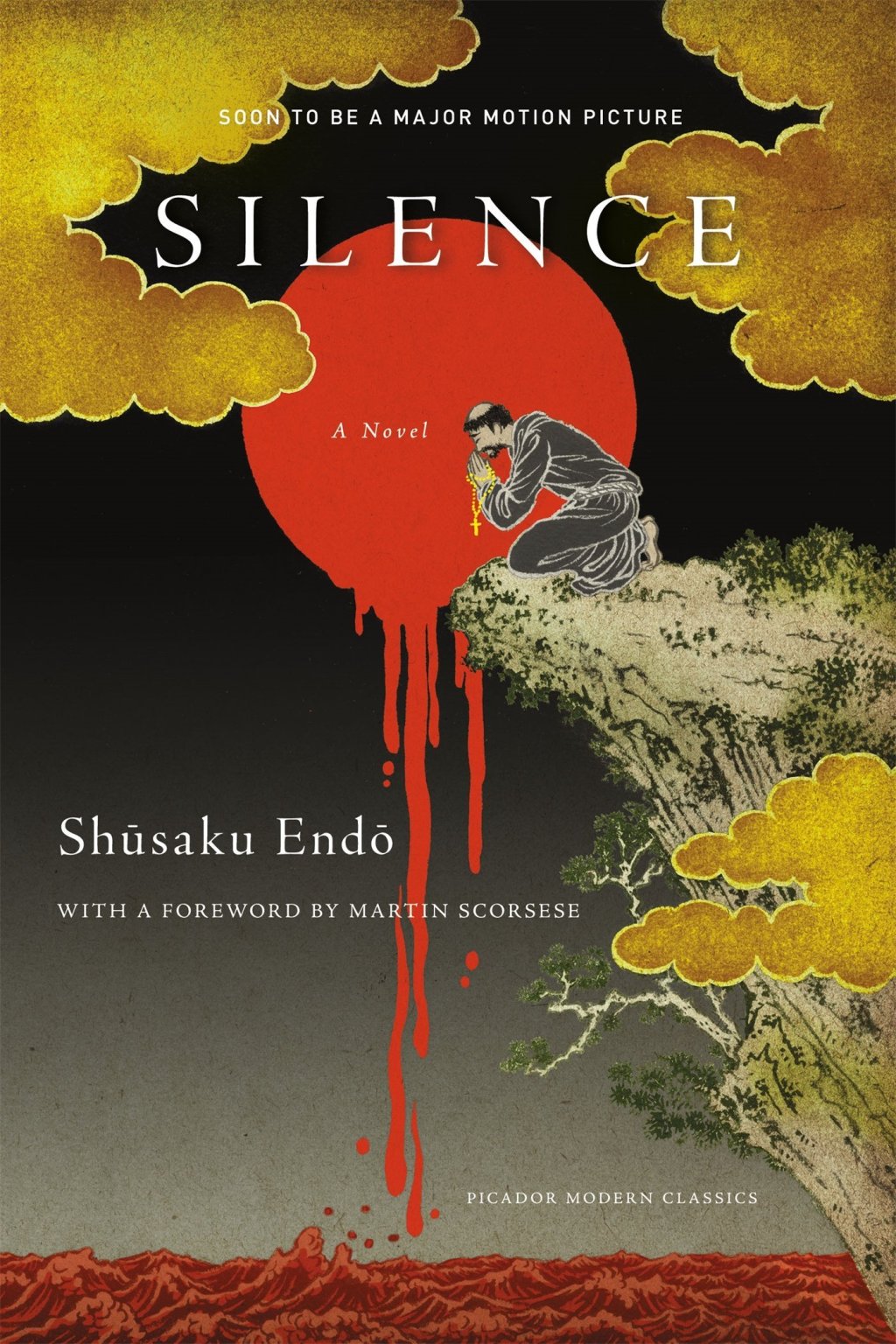
Silence may be a work of historical fiction, but in it, Shūsaku Endō’s main focus is on the timeless. At its core, this novel is the product of an author grappling with some of the most difficult but inescapable questions.
Is God real, and is He good? If He is, why are human suffering, pain, and prayers for aid met with silence rather than intervention?
Where can we find God? Is His the face immortalized in beautiful works of art? Is it in the priests of His church? Is it hidden behind the unglamorous, imperfect, and sometimes weak visages of ordinary people? Is it in nature?
What does it mean to be weak, and what does it mean to be strong in the face of adversity, and which is ultimately the more difficult path?
These are just some of the big thematic questions that stood out to me as I read Silence. Unlike many writers of theology and moral philosophy, Endō’s writing is incredibly accessible and inviting, without sacrificing depth and nuance. This is the kind of book that begs to be revisited, mulled over, and discussed.
Silence is also an incredible historical novel. In a mere 200 pages, Endō presents sixteenth-century Japan beautifully. A far less talented author would devote pages upon pages to exposition and dialogue detailing the history of Japanese society, the politics of the samurai and shoguns, the goals of Jesuit missionaries and European trade in Asia, and the theological differences between Christianity and Buddhism. Endō threads the needle perfectly, giving you just what you need to know. The gaps are filled in with his powerful and beautiful writing. His descriptions of the Japanese landscape and people, from the perspective of a Portuguese priest, and the epistolary style of much of the novel create a sense of closeness and authenticity that I found very immersive. Similarly, Endō’s vivid descriptions of the ways Japanese Christians were tortured and martyred—by being tied to stakes on the beach so the high tide would reach their necklines, tossed in the sea wrapped in thatched blankets, and hung upside down for days—were gritty and disturbing.
Most of all, the character work in this book is phenomenal. Endō is a master of dialogue between characters with different ideologies and backgrounds. Kichijirō (the wretched and cowardly peasant who betrays Father Rodrigues to the Japanese authorities), Inoue (the Buddhist Governor of Chikugo who is determined to root out Christianity and force priests to apostatize), Garrpe (a priest who gives his life trying to save the Japanese peasants rather than apostatize), and Ferreira (a priest who does the exact opposite) each work as foils to Father Rodrigues at different points in the novel as he grapples with his faith, his moral obligations to others, and his concerns over his own safety. In each of them, he sees not only a mirror of himself but also stand-ins for saints, Satan, Judas, and Christ himself.
I strongly, strongly recommend Silence. This book is a short, beautifully written story that serves as a reflection on faith, a vignette of Japanese culture and history, a page-turning thriller with elements of horror, and an opportunity to read one of the most beloved works of Japanese literature.
 The Once and Future Lit