
How do we reconcile the existence of a God who is all-powerful and all-good with the existence of pain and suffering?
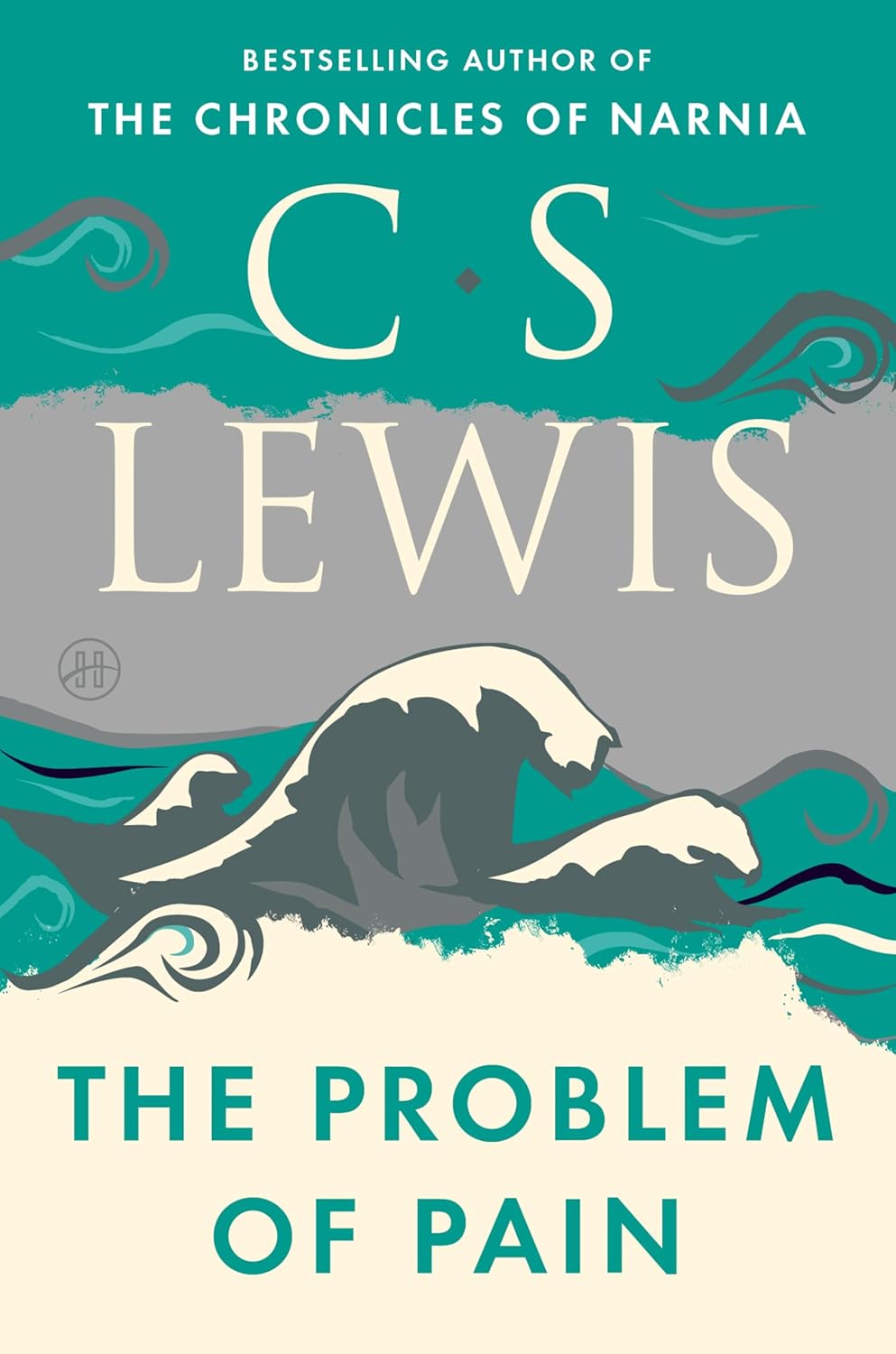
I don’t think it’s an overstatement that this dilemma escapes the lips of many an atheist and is heavy on the hearts of many believers. It is among the most philosophically challenging puzzles, and for believers, even attempting to answer it is, to some extent, an act of hubris. How can we hope to know that which is beyond human understanding and which is known only to God? And yet, in The Problem of Pain, C.S. Lewis does his best to present a faithful, intellectual argument that, in fact, the existence of suffering and pain does not at all disprove or undermine the goodness or the omnipotence of God.
If I read Lewis correctly, much of the pain we grapple with as humans is a necessary by-product of God’s love. Specifically, pain is the necessary outgrowth of free will. For if we were not permitted to choose evil and inflict suffering on others, we would not also be freely able to choose God and goodness. This argument, stemming from free will, made sense to me and goes a long way to explain human cruelty, criminality, war, and violence. But when it comes to explorations of the purpose of pain, I personally struggle more with the suffering of those who are recipients of seemingly random trials. How do we explain children struck by terminal illness, or populations wiped away by natural disaster and famine, or the passengers who die in plane crashes? These are, after all, not the results of intentional malice and sin. Lewis here offers the example of Christ taking up his cross and bearing it to the end for glorious purpose. He argues that it is through suffering that we are brought closest to God (“blessed are the poor”), and while we, as humans, may struggle to see the grand design behind it all, our suffering may well be our own crosses. Beyond the confines of human suffering, Lewis also attempts to explain animal suffering and the natures of heaven and hell, but I found myself less gripped by these later chapters.
As with Lewis’s other non-fiction writings, I imagine I will need to revisit The Problem of Pain several times to fully grasp all the author’s arguments. Lewis’s writing is not always accessible to the lay reader, and it makes this important work feel less comforting and reassuring than I hoped it would. In The Four Loves, I greatly appreciated Lewis’s relatability. He sounded like a man who knew what it was to love in all its forms. But for all its technical achievements, The Problem of Pain lacks that needed dose of personality and warmth, and given the subject matter, I especially missed it.
 The Once and Future Lit